
A new platform built for brick-and-mortar card shops is betting that the hobby’s next big growth lever isn’t another app on your phone. It’s the shop down the street.
A good local card shop gives you something no app can. There’s the glass case you lean over a little too long. There’s the owner who knows your PC better than your spouse does. And there’s trade night, when someone finally lets go of the rookie you’ve been circling for three months.
What local shops have never had is a great way to get found. Trade Collectors wants to fix that.
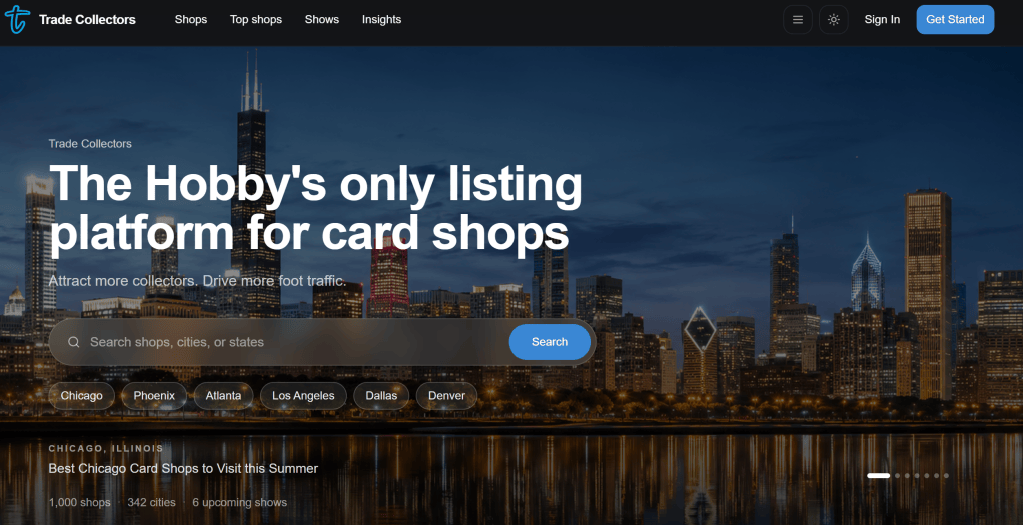
So what is it?
Trade Collectors bills itself as the hobby’s only listing platform for card shops, and its pitch to owners is short: attract more collectors, drive more foot traffic. The bigger vision goes beyond storefronts. The company describes itself as a platform that connects collectors, shops and trading card shows. tradecollectorsTradecollectors
In plain terms, Trade Collectors isn’t trying to be another marketplace. It wants to link the three places where the in-person hobby actually happens.
Why this is a smart lane
Most hobby tech of the last few years has focused on the screen: price trackers, portfolio apps, scanners, grading screeners. They’re great tools, and we’ve covered plenty of them. But most of them assume the hobby lives online.
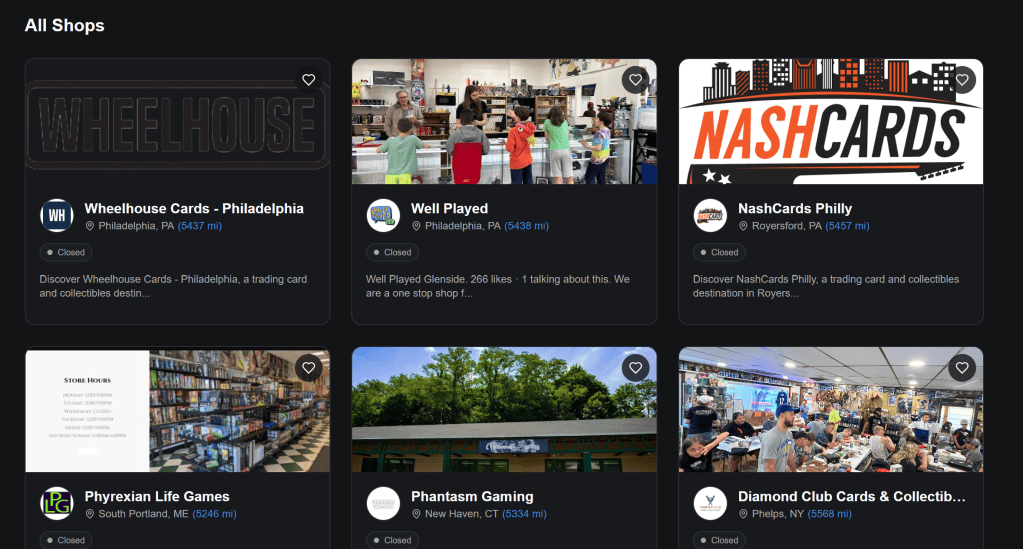
Trade Collectors is betting on the counter instead. That’s a contrarian bet, and a pretty wholesome one. Shops are where new collectors get their start, where trade nights build community, and where a kid pulls a first real hit and gets hooked for life. Shops mostly fight for attention on general-purpose map and review apps. A discovery layer built specifically for them fills a real gap.
It’s also a lane with built-in purchase intent. Someone looking for a card shop nearby isn’t doomscrolling. They’re about to grab their keys.
Bonus round: it’s also a newsroom
Alongside the platform, Trade Collectors runs an Insights hub that covers a lot of ground. Its categories span auctions, card shops, grading, industry news, Pokémon, retail restocks, sealed product, shows, and sports cards. The coverage goes beyond headlines, too. One recent piece looked at how MTG Arena’s move to a permanent Ranked Brawl mode could turn commander picks into measurable signals that spill over into paper singles demand.
That’s a smart flywheel. News brings collectors in, and listings send them out the door and into a shop. Content plus utility is a proven playbook. (We may be a little biased on that one.)
The CardVestr take
We like the thesis a lot. The in-person hobby is the emotional core of collecting, and shop owners deserve tools built for how they actually operate, not hand-me-downs from general retail software.
In keeping with how we cover every tool, here’s the honest part. The public-facing site is light on specifics. We couldn’t confirm how many shops are listed, which markets it covers, or what listing costs a shop owner. “Only listing platform” is the company’s own positioning, and other card shop directories do exist. The real test is what every discovery product faces: density. A shop map is only as useful as the number of shops on it near you.
Here’s what we’d love to see as it grows:
- Trade night and event calendars, so collectors can plan a Thursday around a shop
- Show integration that connects the weekend show circuit with year-round shops
- Inventory signals, even simple “just got in” posts, to give collectors a reason to visit today instead of someday
Bottom line
Trade Collectors is building for the part of the hobby that tech has mostly ignored: the storefront, the counter, and the community around it. If it can reach real shop density in the markets that matter, it could become the default answer to the question every collector asks in a new town. Where’s the card shop?
Visit Trade Collectors Today: https://tradecollectors.com/





Leave a comment