The Anatomy of the Hunt: Finding the “True Gem” in a Pop Report Jungle
There is a unique energy on the floor of The Philly Show. It is a mix of nostalgia, sharp negotiation, and the quiet tension of data-driven collecting. It’s an environment where the “market price” is just a starting point for those willing to do the work. This weekend, our objective was clear: secure a foundational, blue-chip asset for the Cardvestr portfolio while capitalizing on BGS (Beckett Grading Services) price inefficiencies.
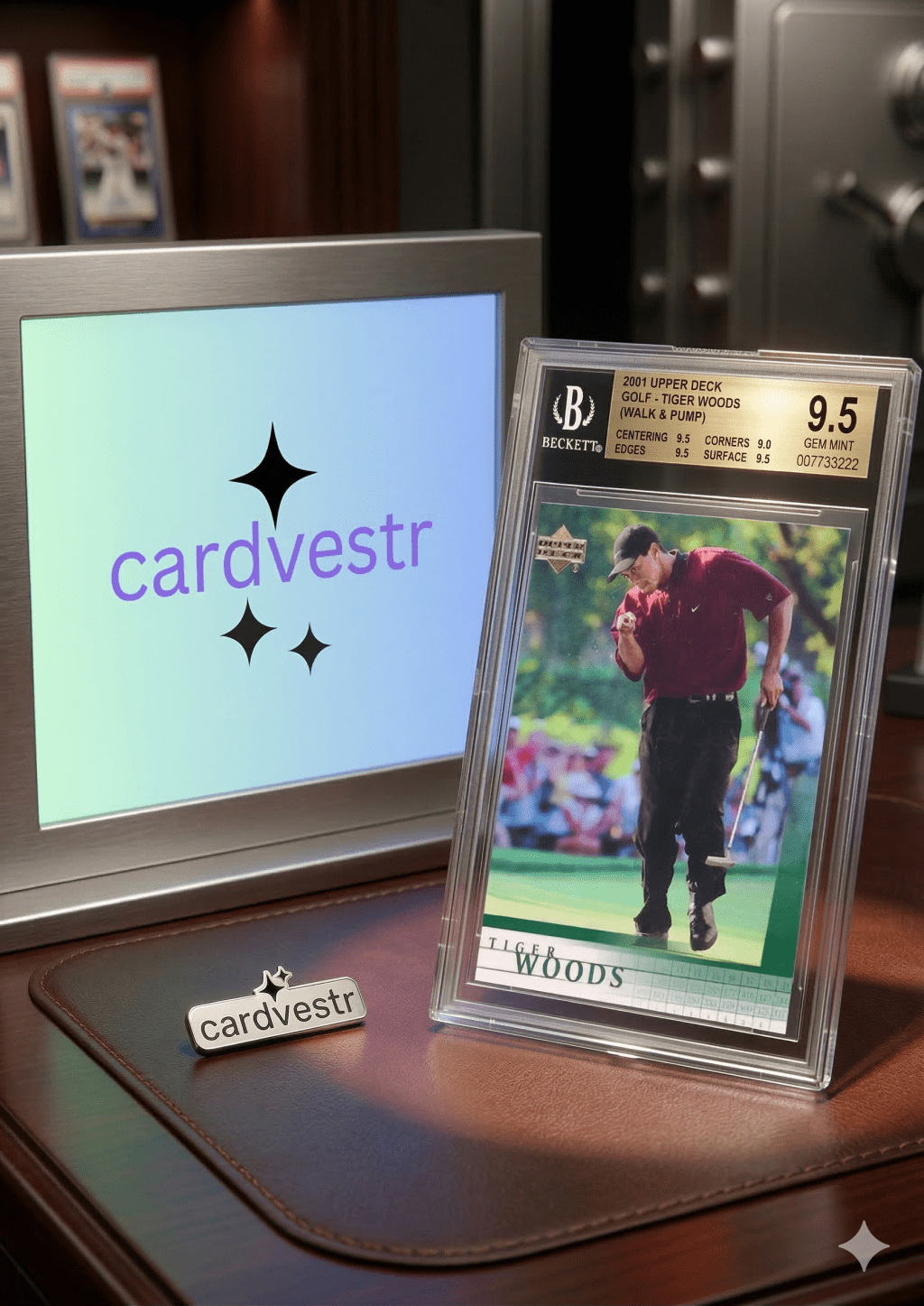
Our target was the 2001 Upper Deck Tiger Woods #1 in BGS 9.5 (Gem Mint) condition.
This is not just a golf card; it is the “Holy Grail” of modern golf—Tiger’s first widely distributed, licensed rookie card. It’s an asset we’ve long coveted for its massive liquidity and representation of sporting immortality. But in a modern market defined by high condition sensitivity, navigating the BGS grading scale is critical. We weren’t just looking for the grade; we were hunting for the value within that grade.
The Strategic Rationale: Performance, Not Rarity
We approach every acquisition with a rigid set of metrics. While our vintage anchors (like the Joe Montana PSA 8) leverage rarity and low population counts, the Tiger 2001 Upper Deck play is entirely focused on liquidity and stability.
The BGS 9.5 population is substantial (over 13,000 exist). However, this high population makes the card a commodity. It sells almost instantly at market rate, making it an excellent vehicle for balancing the portfolio’s liquidity ratio.
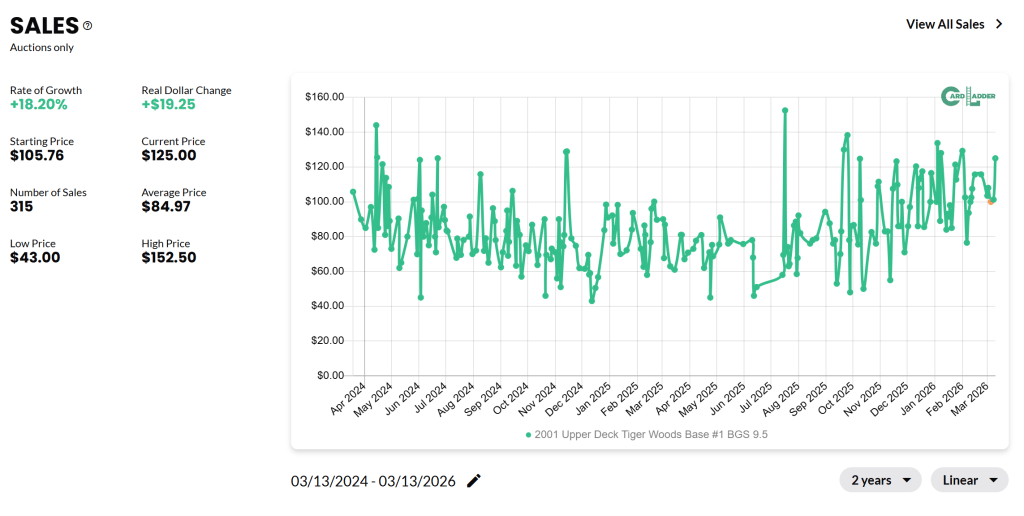
Our analytics indicated a compelling opportunity: a BGS 9.5 typically trades for ~$130, while its PSA 10 (Gem Mint) counterpart often exceeds $400. This pricing gap represents a profound “arbitrage” opportunity for the collector who values the physical grade over the registry holder. We are betting on the long-term convergence of these “Gem Mint” values, and we wanted that exposure without the PSA premium.
The Art of the Deal: $100 Cash at Philly
While early 2026 market data pegged the value of a baseline BGS 9.5 at ~$130, we knew a better deal was possible on the show floor. We located a pristine example—great centering and clean edges—priced at $140. Using recent comps and leveraging the advantage of an immediate cash offer, we successfully negotiated the final price down to $100.00 flat.
By securing this card ~30% below the current market average, we effectively locked in immediate equity before the card even hit our display case.
| Metric | Target | Result (at Philly) |
| Grade | BGS 9.5 (Gem Mint) | Acquired: BGS 9.5 |
| Market Value (Est.) | ~$130 | Acquired: $100 |
| Immediate ROI | N/A | +30.0% |
This acquisition exemplifies the Cardvestr model: discipline, data-driven targets, and active negotiation. This Tiger Woods rookie lowers our average cost-per-card across the portfolio while maintaining the theme of legendary dominance.
Available Capital: March Balance
| Line Item | Amount |
| Starting March Cash Balance | $2,000.00 |
| Less: Acquisition – Joe Montana (PSA 8) | ($300.00) |
| Less: Acquisition – Tiger Woods (BGS 9.5) | ($100.00) |
| Current March Cash Balance | $1,600.00 |
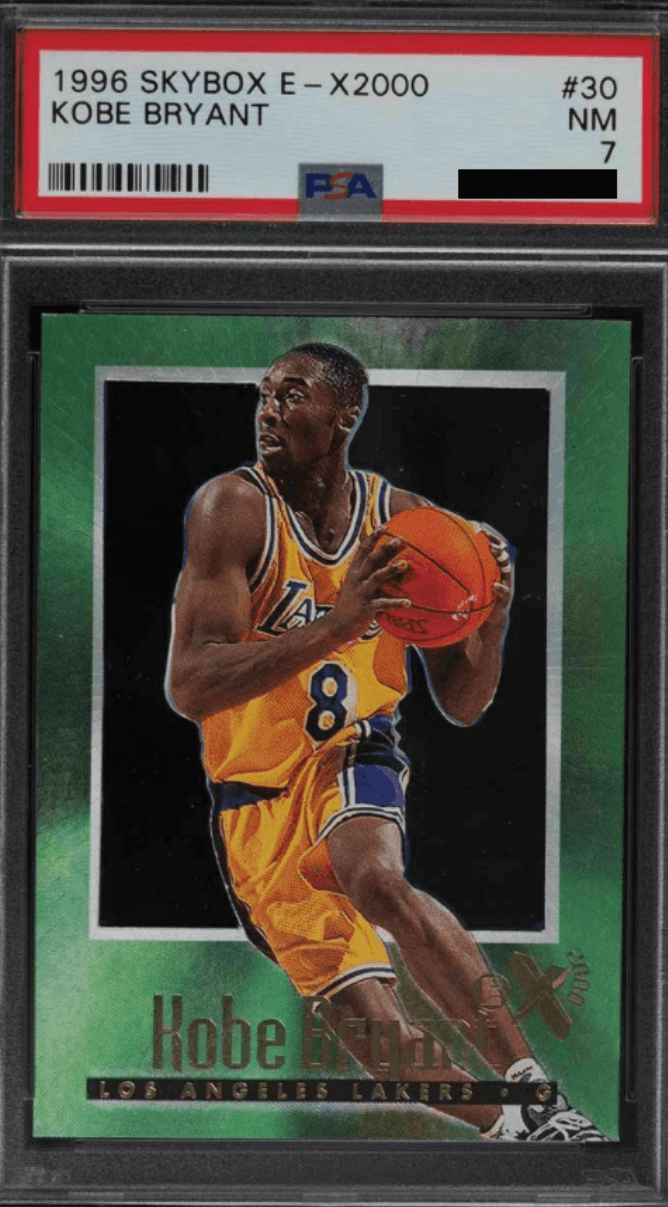
We remain heavily capitalized with $1,600 in dry powder. Our next objective: identifying a high-upside Basketball GOAT to complete the core portfolio.



 CardVestr
Leave a comment