
Whether you’re a seasoned collector or just dipping your toes into the exciting world of sports card investing, understanding the right strategies is crucial for building a profitable portfolio. At Cardvestr, we focus on a balanced, data-driven approach that maximizes potential returns while minimizing risk. Let’s dive into our core investment philosophy.
Diversification is Key: The Cardvestr Approach
Our strategy revolves around a diversified portfolio, spreading your investments across the four major US sports: football, baseball, basketball, and hockey. We believe in maintaining an equal allocation across these sports to mitigate the impact of individual sport fluctuations.
I have systematized my process to identify cards that act like “quality businesses.” My goal is to find players with a 10+ year track record of price stability and consistent “earnings” (career milestones and hobby demand).
The 4-Step Screening Process:
- Define the Universe: I only look at players with at least 10 years of market data (Retired HOFers or Active Legends).
- Review “EPS” (Earnings Per Sport): I check the 5-year CAGR (Compound Annual Growth Rate) for their flagship PSA 8 or PSA 9 rookie card.
- Check “Payout Ratio” (Population Growth): I verify the PSA Population Report. If the supply of a specific grade is growing by >10% annually, the “dividend” is being diluted.
- Calculate “Estimated Return”: Added the 5-year CAGR to a “Liquidity Premium” (how quickly the card sells at auction).
Strategic Investment Framework: Sports Card “Blue Chips”
I. Investment Philosophy
Our strategy is rooted in the belief that “Quality is King.” We do not speculate on unproven rookies or short-term hype. Instead, we invest in “Dividend Aristocrat” athletes—individuals with established career arcs, Hall of Fame legacies, and a demonstrated history of card price appreciation. We treat sports cards as equity in a player’s historical legacy.
II. The Core Screening Process (The “Aristocrat” Filter)
To be considered for the portfolio, a card must pass a rigorous four-point screening process, mirroring the Dividend Growth Investor methodology:
- The 10-Year Resilience Rule: We only invest in players who have been in the professional spotlight for at least 10 years. This ensures we are buying into a “mature company” rather than a “start-up.”
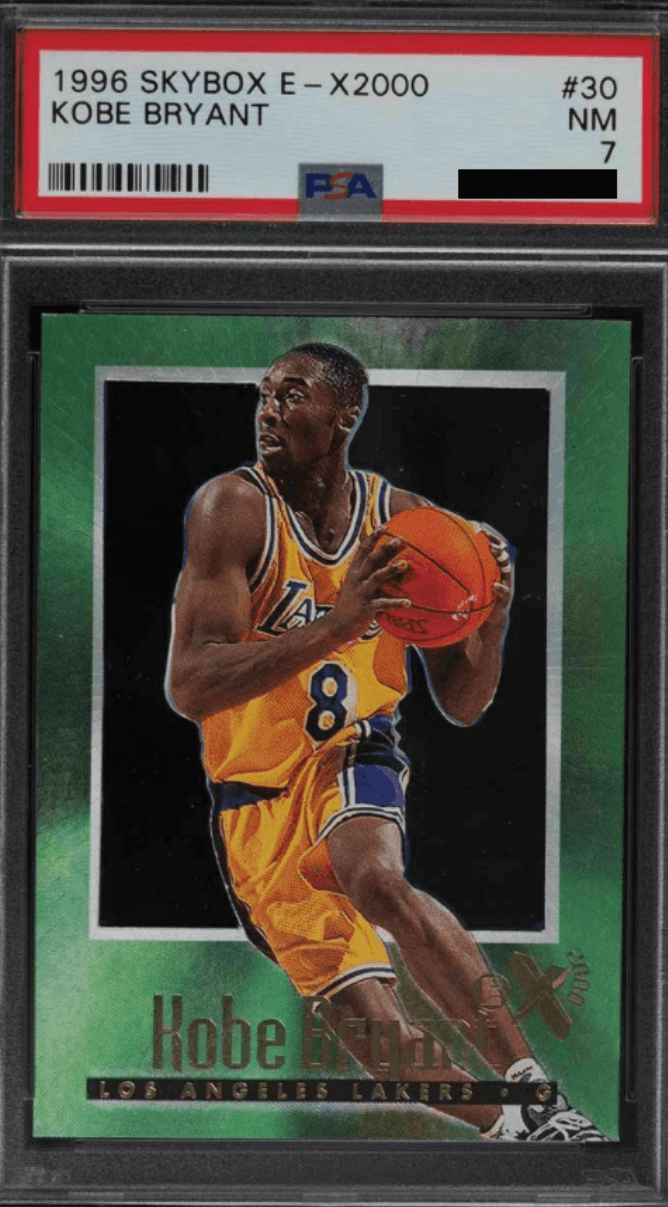
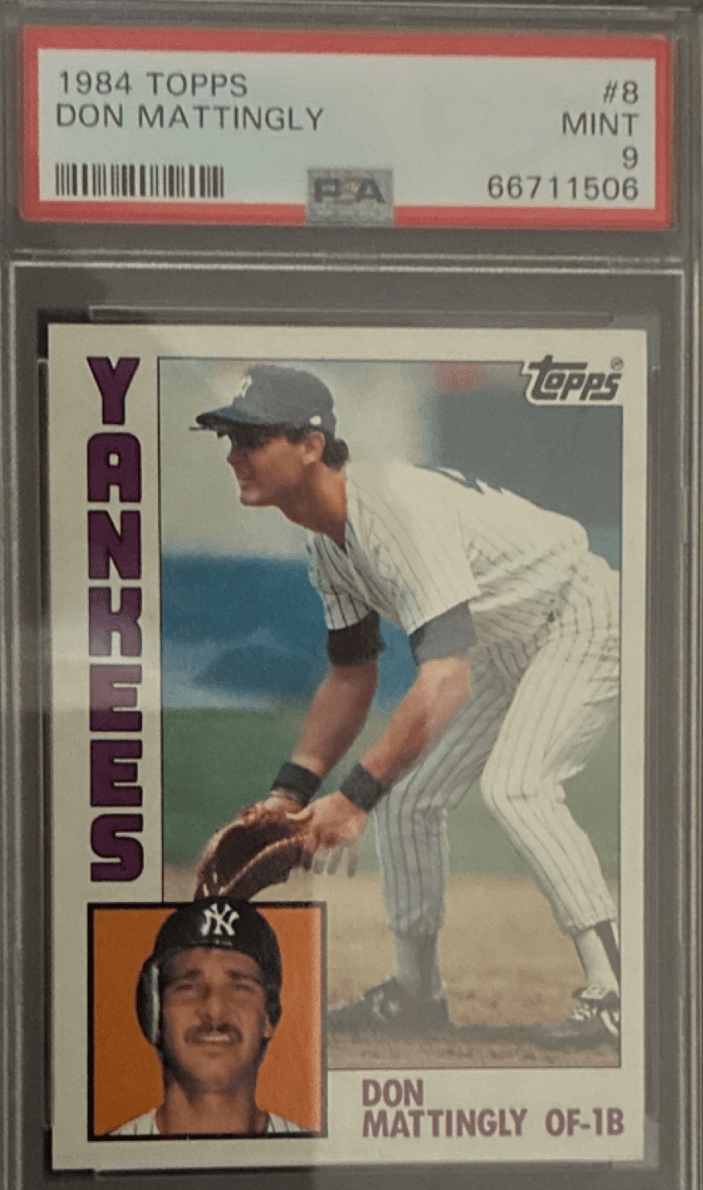
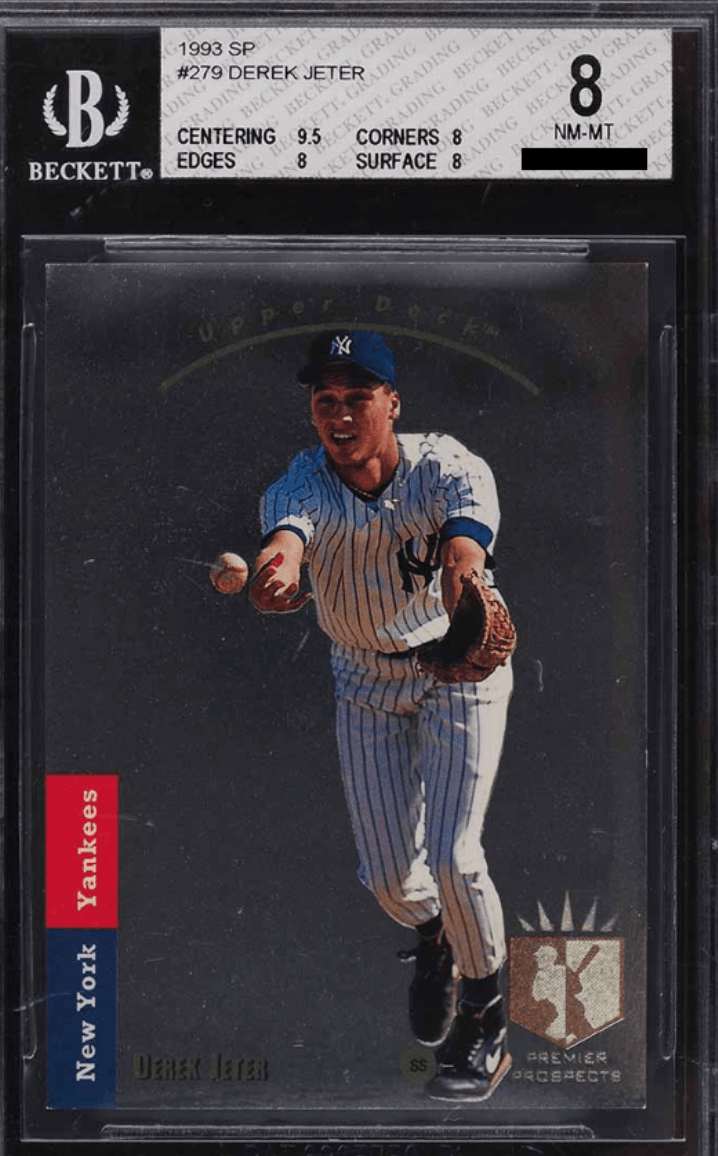
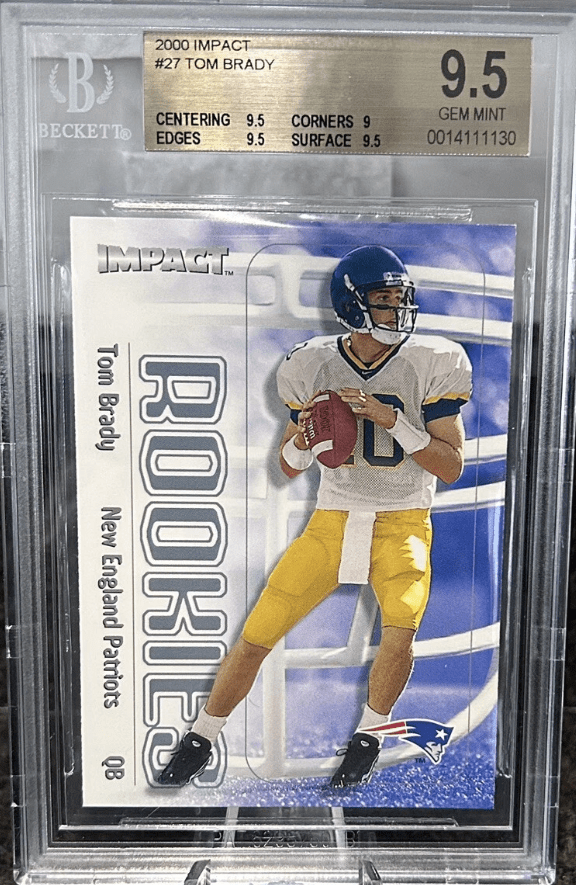
- Graded Scarcity (Audited Financials): We only invest in PSA (Professional Sports Authenticator) graded cards. This provides a standardized “audit” of the asset’s condition. We focus on grades that represent the “sweet spot” of liquidity and rarity (typically PSA 8, 9, or 10 depending on the era).
- Positive CAGR (Earnings Growth): We review the 5-year Compound Annual Growth Rate (CAGR). We seek assets that have shown a consistent 5–10% steady appreciation through various market cycles.
- Population Stability (Low Payout Ratio): We monitor the PSA Population Report. If the total number of graded copies of a specific card increases by more than 5% annually, it represents “inflation” or dilution. We prioritize “Low Float” assets.
III. Portfolio Constraints & Guardrails
To eliminate emotional bias and “errors of commission,” we adhere to the following strict financial rules:
- Maximum Position Size: No single card purchase shall exceed $2,000. This ensures that one “bad earnings report” (e.g., a player scandal or market correction) does not derail the entire portfolio.
- Valuation Cap (Forward P/E): We will not pay more than 10% above the 3-month trailing Auction Price Realized (APR). If a card’s price has spiked due to a “pump,” we wait for it to return to its fundamental mean.
- Monthly Capital Allocation: We deploy a set amount of capital each month (e.g., $1,000–$2,000) to take advantage of dollar-cost averaging in the card market.
IV. Asset Categorization (The “Yield” Model)
We divide our holdings into three “income” categories based on their market behavior:
1. Legacy Aristocrats (Low Volatility / Steady Yield)
- Profiles: Jackie Robinson, Mickey Mantle, Michael Jordan, Wayne Gretzky.
- Objective: Capital preservation. These cards have the lowest “yield” volatility and act as the anchor of the portfolio.
2. Active Legends (Growth & Income)
- Profiles: LeBron James, Stephen Curry, Shohei Ohtani, Sidney Crosby.
- Objective: Moderate growth. These players are still “generating earnings” (breaking records), which provides a catalyst for price increases.
3. Valuation Plays (Deep Value)
- Profiles: Retired Hall of Famers currently out of the “hobby” spotlight (e.g., Jerry Rice, Tim Duncan, Rickey Henderson).
- Objective: We look for cards where the “Price-to-Greatness” ratio is skewed, providing a margin of safety.
Disclaimer
Sports card investing carries inherent risks. Past performance is not an indication of future results. Our strategy focuses on long-term historical trends to mitigate, but not eliminate, market volatility.
Join the Cardvestr community and start building your winning portfolio today!



 CardVestr
Leave a comment